Shower Efficiency Factsheet
Make your shower water efficient - Saving water helps nature and your budget.
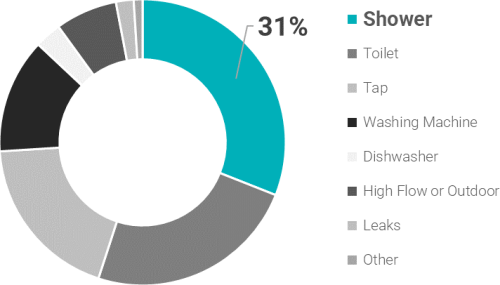
With a water efficient showerhead, you could save up to $300 on your power bill per year*
*Based on a three person household taking one 8
minute shower per person per day, and replacing a
14 L/min shower head with a 9 L/min shower head
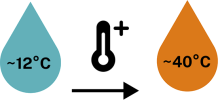
Most users pay for water through rates. Plus, heating water for showers contributes around $1000 to your yearly energy bill. The good news is that cutting down the amount of water you use saves power and money.
*A volumetric charge may also apply to some users.

Every drop of water you save is a drop of water that stays in our rivers and aquifer. That’s good for the environment, and our communities!
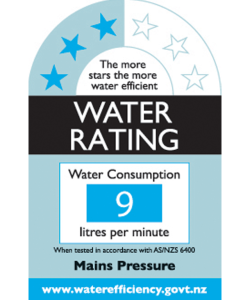
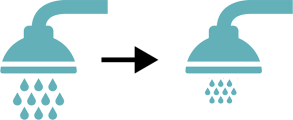
Upgrade to a higher-efficiency shower head for water and cost savings without compromising on comfort — opt for a 3-Star or higher WELS rated model. In most cases you can replace this yourself but some older showers may require a plumber.
A simple way to find out is to measure how much water your shower uses per minute.
First, you’ll need a jug or bucket that you can measure a litre in. Then, time how many seconds it takes your showerhead to fill it to the one litre mark. Divide 60 by the number of seconds it takes, and you’ll get the ‘flow rate’ in litres per minute!